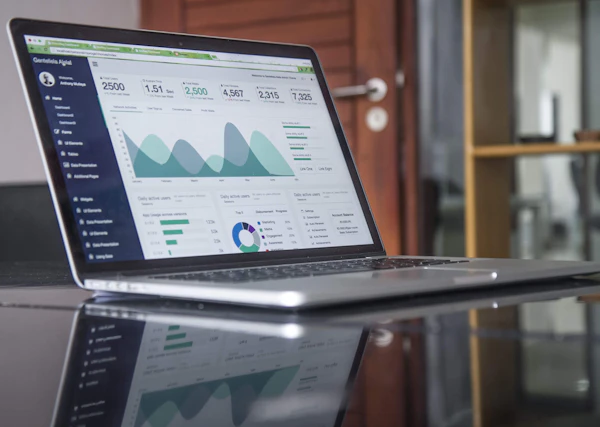
Web design and development are no longer simply technical services reserved for large companies. For businesses, creators, professionals, service providers and online brands, a website can become one of the most important assets for building credibility, attracting visitors, generating leads and supporting long-term growth.
A professional website should do more than look attractive. It should communicate what a business offers, make information easy to find, work properly across devices, support search visibility, create a trustworthy user experience and guide visitors toward meaningful actions.
This is why modern web design and development should be approached as a combination of design, technology, content, user experience, search engine optimization and business strategy.
In this complete guide, we will explain what web design and development means, why businesses need a professional website, the major types of websites, the difference between design and development, responsive design, SEO-friendly development, website performance, security, eCommerce websites, WordPress, Shopify, Blogger, website redesign and the practical process of creating a business website.
What Is Web Design?
Web design is the process of planning and creating the visual and interactive experience of a website.
It includes elements such as layout, typography, colors, spacing, images, navigation, buttons, page structure, visual hierarchy and responsive behavior.
However, professional web design is not simply about making a website beautiful.
A strong website design helps visitors understand three important things quickly:
- Who the business is
- What the business offers
- What the visitor should do next
For example, a service business may want visitors to request a quote. An eCommerce store may want customers to purchase a product. A consultant may want visitors to book a consultation. A content creator may want visitors to read articles, watch videos or subscribe.
The design should therefore support the purpose of the website instead of distracting visitors with unnecessary visual effects.
What Is Web Development?
Web development refers to the technical process of building, maintaining and improving a website.
Development can involve front-end technologies, back-end systems, databases, APIs, content management systems, forms, integrations, performance optimization and security.
Front-end development focuses on what users see and interact with in the browser. Back-end development handles the systems and logic that operate behind the interface.
Depending on the project, web development may include:
- HTML structure
- CSS styling
- JavaScript functionality
- Content management systems
- Database integration
- Contact forms
- Payment systems
- Analytics integration
- Search engine optimization implementation
- Security configuration
- Performance optimization
For many small businesses, a complete website does not require a complicated custom software system. The right solution depends on the business model, content requirements, budget, scalability and technical goals.
Web Design vs. Web Development
Web design and web development are closely connected, but they are not exactly the same.
| Area |
Web Design |
Web Development |
| Primary focus |
Visual experience and usability |
Technical functionality |
| Main concern |
How the website looks and feels |
How the website works |
| Examples |
Layout, typography, colors, navigation |
Code, forms, integrations, databases |
| User impact |
Clarity and user experience |
Functionality and performance |
| Business goal |
Communication and trust |
Reliable functionality and scalability |
The best websites combine both disciplines. A visually attractive website that loads slowly or has broken functionality is not a successful website. Likewise, a technically powerful website with confusing navigation can still create a poor user experience.
Why Businesses Need a Professional Website
A website can act as a central digital property for a business.
Social platforms, advertising platforms and third-party marketplaces can be useful, but a business website provides a controlled environment where the brand can present its information, services, products and expertise.
1. Build Credibility
Visitors often use a website to evaluate whether a business appears legitimate and trustworthy.
A professional layout, clear service information, contact details, useful content and consistent branding can help create a stronger first impression.
2. Explain Products and Services
A website gives businesses space to explain what they do in greater detail than many social media profiles allow.
Dedicated service pages can answer common customer questions, explain benefits and guide potential customers toward the next step.
3. Support Search Visibility
A properly structured website can help search engines understand the relationship between pages, topics and business offerings.
SEO-friendly web development should therefore consider crawlability, page structure, internal linking, descriptive headings, metadata, image optimization and useful content.
4. Generate Leads
A website can support lead generation through contact forms, consultation requests, quote forms, phone calls, email links and other calls to action.
5. Support Content Marketing
A business website can become the foundation for a content marketing strategy.
Blog articles can answer customer questions, explain industry concepts and attract visitors through organic search.
Types of Websites Businesses Can Use
Different businesses need different website structures. There is no single website format that works for everyone.
1. Business Website
A business website usually explains the company's services, value proposition, experience, contact information and areas of expertise.
2. Service Website
Service providers such as agencies, consultants, freelancers and professionals can create dedicated service pages for each major offering.
3. Portfolio Website
A portfolio website is designed to demonstrate previous work, projects, case studies, skills and professional experience.
4. Blog Website
A blog-focused website publishes educational, informational or opinion-based content around a defined topic.
5. eCommerce Website
An eCommerce website allows businesses to display products, manage product information, accept payments and support online transactions.
6. Personal Brand Website
Professionals, creators, speakers, consultants and experts can use personal websites to build authority and provide a central destination for their audience.
7. Landing Page
A landing page is usually built around a specific marketing objective such as lead generation, registration, product promotion or campaign conversion.
Responsive and Mobile-Friendly Web Design
Responsive web design allows a website layout to adapt to different screen sizes.
This matters because visitors may access the same website from desktop computers, laptops, tablets and smartphones.
A responsive website should provide:
- Readable text
- Comfortable spacing
- Accessible navigation
- Properly sized buttons
- Responsive images
- Usable forms
- Consistent content hierarchy
Mobile usability should not be treated as an optional feature. It should be considered from the beginning of the design process.
SEO-Friendly Web Design and Development
SEO-friendly web design means creating a website structure that supports both users and search engines.
Google's current Search Essentials emphasize helpful, reliable, people-first content, descriptive page elements and crawlable links. Structured data can also help search engines understand page content when it accurately represents the visible information. :contentReference[oaicite:1]{index=1}
Important technical and structural considerations include:
- Logical URL structure
- Descriptive page titles
- Useful meta descriptions
- Proper heading hierarchy
- Descriptive image alt text
- Crawlable internal links
- Mobile-friendly design
- Fast-loading pages
- Canonical URLs where appropriate
- Structured data where relevant
- XML sitemap accessibility
- Search engine crawlability
SEO should not be treated as something added after a website is finished. It is more effective when information architecture, page templates, content and technical implementation are considered together.
User Experience and Website Navigation
User experience, or UX, describes how easily and effectively visitors can interact with a website.
A good website should reduce unnecessary friction.
Visitors should be able to answer questions such as:
- What does this business do?
- Who is this service for?
- What problem does it solve?
- How much information do I need?
- Where can I learn more?
- How can I contact the business?
Navigation should be predictable and easy to understand.
For a service-based website, a simple structure might include:
Home → Services → Individual Service → About → Portfolio → Reviews → Blog → Contact
This type of structure also creates useful opportunities for internal linking.
Website performance affects usability and can influence how visitors interact with a page.
Common performance problems include:
- Oversized images
- Unnecessary scripts
- Excessive third-party resources
- Unoptimized fonts
- Heavy animations
- Poor hosting performance
- Unused CSS or JavaScript
A professional development workflow should therefore consider image dimensions, compression, caching, script loading and the overall amount of code delivered to the browser.
Performance should be measured rather than assumed.
Website Security
Website security is another important part of professional development.
Depending on the platform and project, security considerations can include:
- HTTPS
- Strong administrator authentication
- Software and plugin updates
- Secure forms
- Spam protection
- Reliable backups
- Access control
- Payment security for eCommerce
Businesses should also avoid installing unnecessary plugins, scripts or third-party tools simply because they offer additional visual features.
Content and Website Architecture
Design and content should work together.
A beautiful website with weak or unclear content can still fail to communicate its value.
Professional website content should explain:
- The problem
- The solution
- The service or product
- The benefits
- Who it is for
- Why the business is credible
- What the visitor should do next
For SEO, content architecture is equally important. Related pages should be connected through meaningful internal links rather than isolated from one another.
WordPress, Shopify and Blogger
The best website platform depends on the project.
WordPress
WordPress is widely used for business websites, blogs, service websites, publishing platforms and eCommerce projects.
It provides a large ecosystem of themes, plugins and integrations, but quality depends heavily on implementation and maintenance.
Shopify
Shopify is particularly relevant for businesses that need a managed eCommerce platform.
It can simplify many operational aspects of online selling while providing tools for product management, payments, storefronts and integrations.
Blogger
Blogger can be a practical option for blogs, informational websites and content-focused projects, especially when the primary objective is publishing useful content without maintaining a complex server environment.
A Blogger website can still benefit from strong information architecture, responsive design, optimized content, internal linking, useful navigation and appropriate structured data.
eCommerce Website Development
eCommerce website development focuses on creating an online shopping experience where customers can discover products, evaluate them and complete purchases.
Important elements can include:
- Product categories
- Product pages
- High-quality product images
- Product descriptions
- Search and filtering
- Shopping cart
- Checkout
- Payment processing
- Shipping information
- Returns policy
- Customer support
Product pages should answer the questions a buyer is likely to have before purchasing.
Website Redesign: When Should a Business Consider It?
A website redesign is not always about changing colors or replacing images.
A redesign may be appropriate when:
- The current website is difficult to navigate
- The design is not mobile-friendly
- Important pages are difficult to find
- The website is slow
- Branding has changed
- The website generates few enquiries
- Content is outdated
- The technology is difficult to maintain
- The website architecture does not support SEO
A good redesign should identify the underlying problem before changing the visual appearance.
Professional Website Development Process
Step 1: Define the Business Objective
Start by identifying what the website needs to achieve.
The objective could be lead generation, online sales, authority building, content publishing, appointment bookings or brand awareness.
Step 2: Research the Audience
Understand who the website is intended to serve and what information those visitors need.
Step 3: Plan the Website Structure
Create the sitemap and determine the relationship between major pages.
Step 4: Plan Content
Prepare page topics, headings, service descriptions, calls to action and supporting content.
Step 5: Create the Design
Develop the visual hierarchy, layout, typography, colors and interface components.
Step 6: Develop the Website
Convert the design into a functioning website and implement the required functionality.
Step 7: Optimize for Mobile
Test layouts, navigation, forms, images and content across different screen sizes.
Step 8: Implement SEO
Review titles, descriptions, headings, URLs, internal links, image attributes, structured data and crawlability.
Step 9: Test Performance
Check loading behavior, scripts, images and overall usability.
Step 10: Test Functionality
Check forms, buttons, menus, links, checkout systems and integrations.
Step 11: Publish
After testing, publish the website and verify that important pages are accessible.
Step 12: Monitor and Improve
A website should not be considered finished forever. Analytics, search performance, user behavior and business objectives can reveal opportunities for improvement.
Common Web Design Mistakes Businesses Should Avoid
1. Designing Only for Appearance
A website should solve a communication problem, not simply display visual effects.
2. Ignoring Mobile Users
A desktop-first design that becomes difficult to use on smaller screens can create unnecessary friction.
3. Using Too Many Effects
Animations, sliders and decorative elements should support the experience rather than compete with the main message.
4. Weak Calls to Action
Visitors should understand what action they can take next.
5. Poor Internal Linking
Important pages should not be isolated. Related content should connect naturally.
6. Publishing Thin Content
Pages should provide enough useful information to satisfy their intended search and user purpose.
7. Ignoring Website Maintenance
Content, software, integrations, security and performance may require ongoing attention.
Conversion-Focused Web Design
A conversion-focused website is designed around meaningful business actions.
Depending on the business, conversions might include:
- Submitting a contact form
- Requesting a quote
- Booking a consultation
- Calling the business
- Purchasing a product
- Downloading a resource
- Joining an email list
- Starting a conversation
Good conversion design combines clear messaging, appropriate calls to action, trust signals, useful information and a friction-free user journey.
Connecting Web Design With Digital Marketing
Your website should not operate as an isolated asset.
It can become the central destination for multiple digital marketing activities.
For example:
- SEO can bring organic search visitors.
- Social media can introduce people to the brand.
- YouTube can educate and build authority.
- Email marketing can bring returning visitors.
- Paid advertising can send targeted traffic to landing pages.
- Content marketing can answer customer questions.
- Video marketing can explain products and services.
This is why web design and digital marketing should be planned together.
For more information about related strategies, explore our
complete guide to professional video editing for businesses.
Professional Website Checklist
Before launching a business website, review the following checklist:
- ✔ Clear homepage message
- ✔ Logical navigation
- ✔ Mobile-friendly layout
- ✔ Responsive images
- ✔ Clear service pages
- ✔ Visible contact information
- ✔ Strong calls to action
- ✔ Useful and original content
- ✔ Descriptive page titles
- ✔ Appropriate meta descriptions
- ✔ Proper heading structure
- ✔ Crawlable internal links
- ✔ Optimized images
- ✔ HTTPS enabled
- ✔ Functional forms
- ✔ Analytics configured
- ✔ Search Console configured
- ✔ Sitemap available
- ✔ Structured data validated where appropriate
- ✔ Performance tested
Frequently Asked Questions About Web Design & Development
What is the difference between web design and web development?
Web design focuses mainly on the visual presentation, layout and user experience of a website, while web development focuses on building the technical functionality that makes the website work.
Why is responsive web design important?
Responsive web design allows a website to adapt to different screen sizes, helping visitors use the website on smartphones, tablets, laptops and desktop computers.
Does a small business need a professional website?
A professional website can help a small business explain its services, establish credibility, attract organic traffic, generate enquiries and provide customers with a central source of information.
Is web design important for SEO?
Yes. Website architecture, mobile usability, page structure, internal linking, performance, crawlability and content presentation can all affect how effectively search engines and users understand a website.
Which platform is better: WordPress, Shopify or Blogger?
There is no universal winner. WordPress can be suitable for flexible business and publishing websites, Shopify is designed strongly around eCommerce, and Blogger can be practical for content-focused websites and blogs.
What is responsive web design?
Responsive web design is an approach where the layout and interface adapt to different screen sizes and devices.
What makes a website SEO-friendly?
An SEO-friendly website generally combines useful content with crawlable architecture, descriptive titles, logical headings, internal links, mobile usability, good performance and technically accessible pages.
How often should a business redesign its website?
There is no fixed redesign schedule. A redesign should be considered when the current website no longer meets business, user experience, technology, branding or performance requirements.
Can one website support SEO and digital marketing?
Yes. A properly structured website can serve as the central destination for SEO, content marketing, social media traffic, YouTube traffic, email campaigns and paid advertising.
What is conversion-focused web design?
Conversion-focused web design structures the website around meaningful visitor actions such as enquiries, purchases, bookings, registrations or consultations.
Conclusion
Web design and development should be treated as a strategic business investment rather than simply a visual project.
A strong website combines clear communication, useful content, responsive design, reliable functionality, search-friendly architecture, good performance, security and a well-planned user journey.
For businesses, creators, professionals and service providers, the goal is not simply to have a website. The goal is to build a useful digital property that can attract the right audience, explain the value of an offer, establish trust and support measurable business objectives.
When web design, development, SEO and digital marketing work together, a website can become much more than an online brochure. It can become the foundation of a long-term digital growth system.
Looking to improve your website, SEO or digital marketing strategy? Explore the relevant services and resources across this website to build a stronger online presence.
 Md. Abu Bakar